 Lakshmi Rameshwar Rao
1857 saw a large-scale rebellion against the domination of the British East India Company. This revolt is regarded as the first organized resistance by Indians against the Company. This uprising is also known as a mutiny, revolt, or the First War of Independence in India. The revolt was initiated by sepoys in the Bengal Presidency against the British officers. The revolt was a turning point in Indian history. It was a result of years of discontent among the people against British rule.
The Indians had many successes initially, but the British finally suppressed the revolt, recaptured Delhi, and re-established their authority by the end of 1859. The causes of the revolt were annexation, discrimination against Indians, and British economic and social policies. Racism or racial discrimination is believed to have been a major reason for the revolt of 1857, as Indians were exploited and were kept away from mixing with Europeans.
Lord Canning, Governor-General of India (the first Viceroy of India when power was transferred from the East India Company to the British Crown after the revolt of 1857), announced at the Allahabad Durbar that the British Crown would take direct responsibility for the administration of India on November 1, 1858. The East India Company was abolished, and a British government was formed to directly govern the country.
The introduction of greased cartridges was the immediate cause of the revolt. The cartridges used in the new rifles had to be greased with tallow, which is a substance derived from animal fat. This led to great resentment among the Hindu and Muslim soldiers, as they felt that this was against their religious beliefs. The reason for the outbreak of the revolt was the policy of annexation pursued by the British. The Doctrine of Lapse was a major cause of the revolt. This doctrine allowed the British to annex any native state whose ruler died without a male heir.
The policy of introducing western education and with it the culture led to a feeling of alienation. The Muslims were made to fight against the Hindus, and the upper-caste Hindus with the lower-caste Hindus. This led to a division of the country’s people and hence started the policy of divide and rule.
The tax policies adopted by the British led to economic hardship for the people, and the 1857 revolt instilled fear in the minds of the British government. They could no longer assume that Indians would stand by the British. The British government realized the importance of the princely states and wanted to gain their support. The policy of annexation of the princely states was given up.
Although suppressed, it gave the national leaders a way to push the British away, and many lost their lives in the revolt. The army was reorganized, and the Indian government was given a new structure. This First War of Indian Independence played a major role in the shifting of powers from the East India Company to the British Crown.
Soon after, new laws were passed to abolish the East India Company. Merchants, traders, peasants, craftsmen, and artisans had lost their income and were ruined; consequent to the discrimination of the British, they were unhappy with British rule. Lower officials were corrupt, including in courts and the police. This led to the rich and the British winning every case. The British felt superior to Indians, and the Indians felt insulted. The revolt of 1857 started in the army with soldiers turning against officers. They were paid less, and their traditions, customs, and religions were not respected. The Enfield rifle was introduced, which soldiers had to bite the cover of. It was rumored that the grease was beef and pig fat. This hurt religious sentiments.
A soldier, Mangal Pande, attacked officers who had given the soldiers this fat. He was hanged. A group of soldiers at Meerut refused to use the cartridge. They were imprisoned. Other soldiers killed officers in Delhi and took over the city. Then the Mughal Emperor Bahadur Shah Zafar was proclaimed Emperor of India.
As the war progressed, the Company regained control of Delhi, the Indian soldiers were defeated, and the King escaped to Humayun’s Tomb. He later surrendered and was put on trial. Two of his sons and a grandson were killed. Following his involvement in the Indian Mutiny of 1857, the British exiled him to Rangoon in British-controlled Burma. On October 7, 1858, he, along with his wives and two sons, was sent to Burma on bullock carts.
An important aspect of Bahadur Shah’s personality was his poetry. He used “Zafar” as his pen name. Many of his ghazals are available with us today; however, a good portion of his poetry is said to be lost. His poetry is filled with grief and pain. Shah died in 1862, and on his grave in Rangoon is inscribed:
“My life gives out no light;
I bring no comfort to heart or eye.
Out of dust I return to dust—
Of no use to anyone am I.”
Sepoys from all over India joined the revolt with loyalty to the Mughal Emperor. The civilians used axes, spears, bows and arrows, and any other weapons. Money-lenders, zamindars, British revenue officers, and others were attacked. The adopted son of the Peshwa, Nana Sahib, Tantia Tope (his general), Rani Lakshmi Bai of Jhansi, and the Begum of Avadh joined the revolt against a common enemy.
Many did not join the revolt. Large zamindars, those of the middle and upper classes, South India, Bombay, most of Bengal, and West Punjab remained away. The British finally succeeded in suppressing the revolt and recapturing Delhi. The leaders—Rani Lakshmi Bai of Jhansi, Tantia Tope, and Nana Sahib—were killed.
The Indian administration was taken over by the Crown. It came under Queen Victoria and the British Parliament and had nothing more to do with the East India Company. All Indians were assured of equality and promised equal rights. The army was also reorganized. The Governor-General was given the title of Viceroy, and Indian Councils were set up to supervise.
A small number of Indian princes joined the revolt. The large zamindars stayed away, and the middle and upper classes were not in favor of it. South India, West Punjab, most of Bengal, Bombay, and many Indian soldiers did not participate. The leadership of the revolt was, on the whole, not united and not well organized. The British had better generals, better weapons, and were well organized.
Sponsored

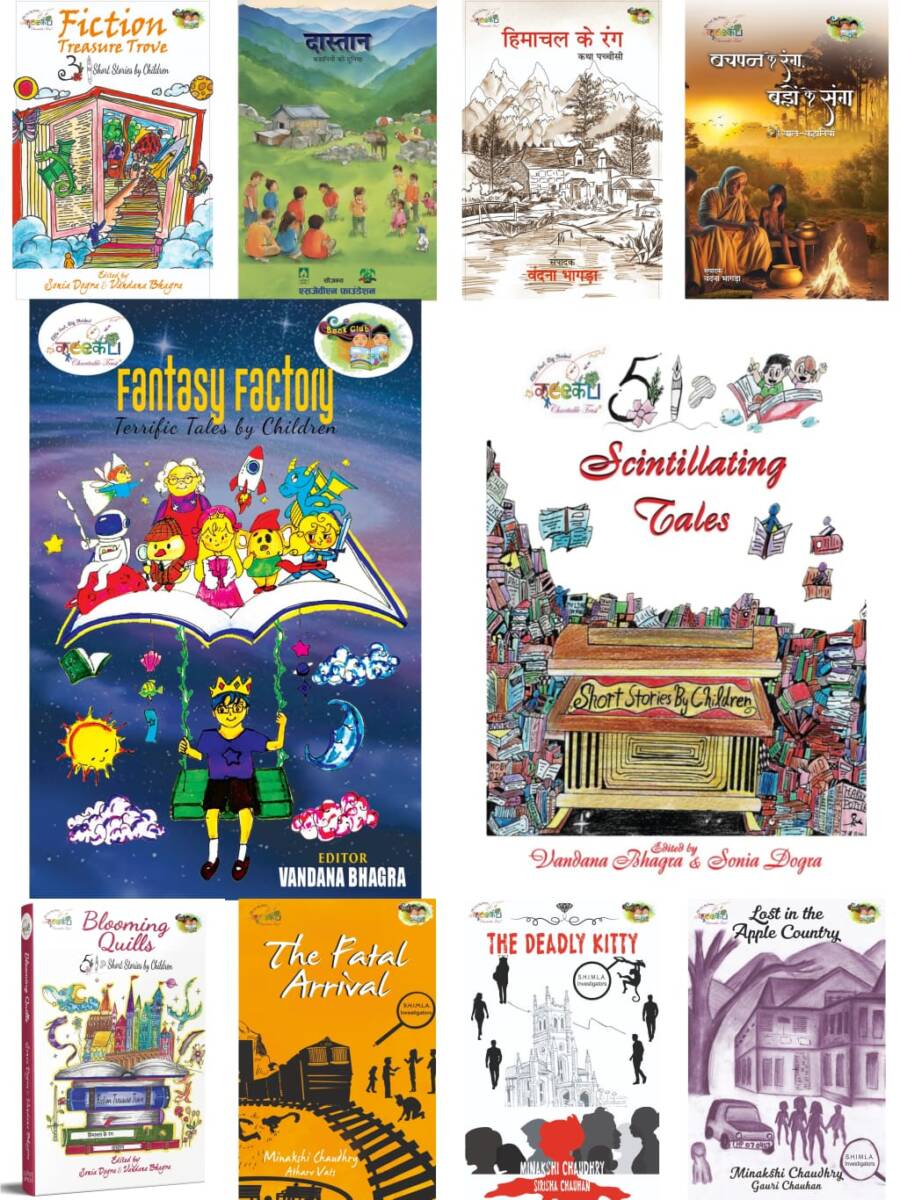
Nurturing Creativity – Keekli Charitable Trust, Shimla