 Under the visionary leadership of Chief Minister Thakur Sukhvinder Singh Sukhu, Himachal Pradesh is undergoing a sweeping technological overhaul to make public administration more transparent, efficient, and citizen-first. Overcoming the unique geographical hurdles of a mountainous region, the state government is deploying integrated e-governance platforms to simplify official procedures, eliminate bureaucratic delays, and ensure smooth service delivery to every corner of the state.
At the core of this administrative revamp is a push toward paperless governance and AI-assisted workflows. The state’s Document Management System (DMS) now leverages artificial intelligence for instant document summarization and keyword-based retrieval, drastically reducing reliance on physical files. Alongside this, the Annual Performance Appraisal Report (APAR) portal and an automated Meeting Management System have digitalized officer evaluations and meeting follow-ups, enforcing strict accountability and timely execution across all departments.
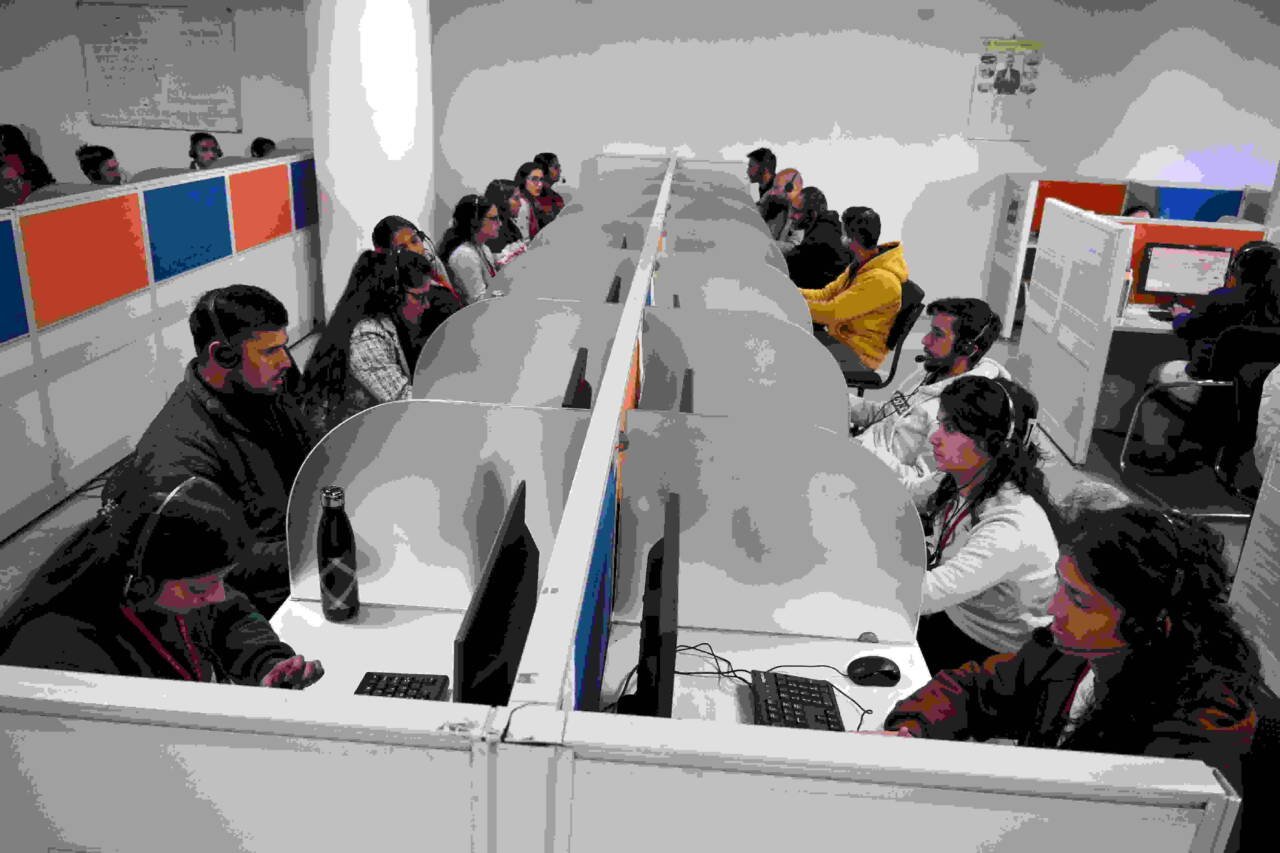
Citizen interaction is also getting a major digital upgrade through unified service portals and direct grievance redressal. The HimSeva platform brings an array of government services under one online umbrella, with its upcoming 2.0 iteration set to introduce AI-driven document verification. Complementing it, HimAccess serves as a single sign-on (SSO) digital identity platform, while the Mukhyamantri Seva Sankalp Helpline (1100)—now powered by a convenient WhatsApp chatbot—connects over 10,000 mapped officers across 93 departments to resolve public complaints swiftly.
Extending technology directly into welfare administration, the HimParivar platform operates as the state’s unified Family and Social Registry. By consolidating population data, facilitating eKYC, and linking departmental databases, HimParivar eliminates duplicate records and ensures that social security benefits hit the exact intended targets. Together, these modern initiatives solidify Himachal Pradesh’s position as a pioneer in digital governance, creating an administrative framework that is accessible, responsive, and built for the future.
Sponsored
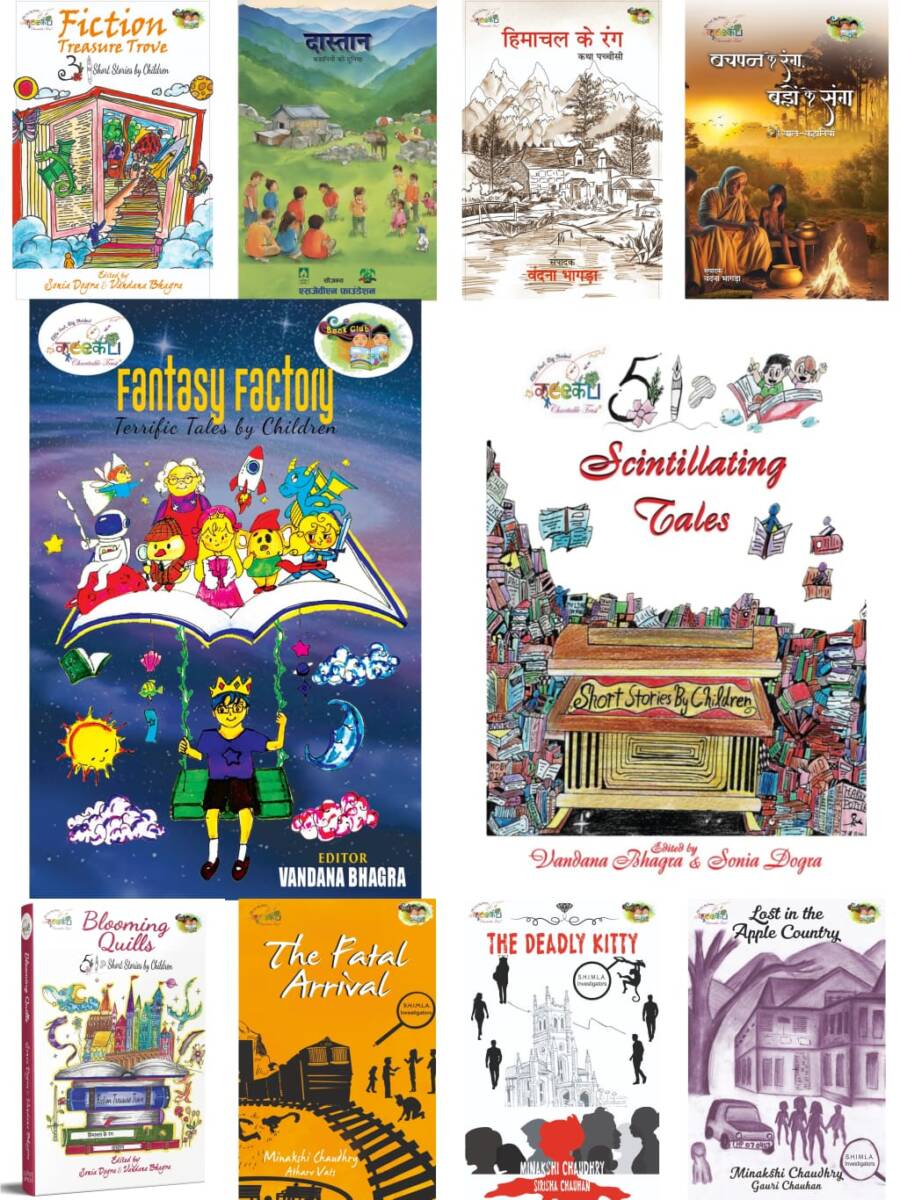
Nurturing Creativity – Keekli Charitable Trust, Shimla