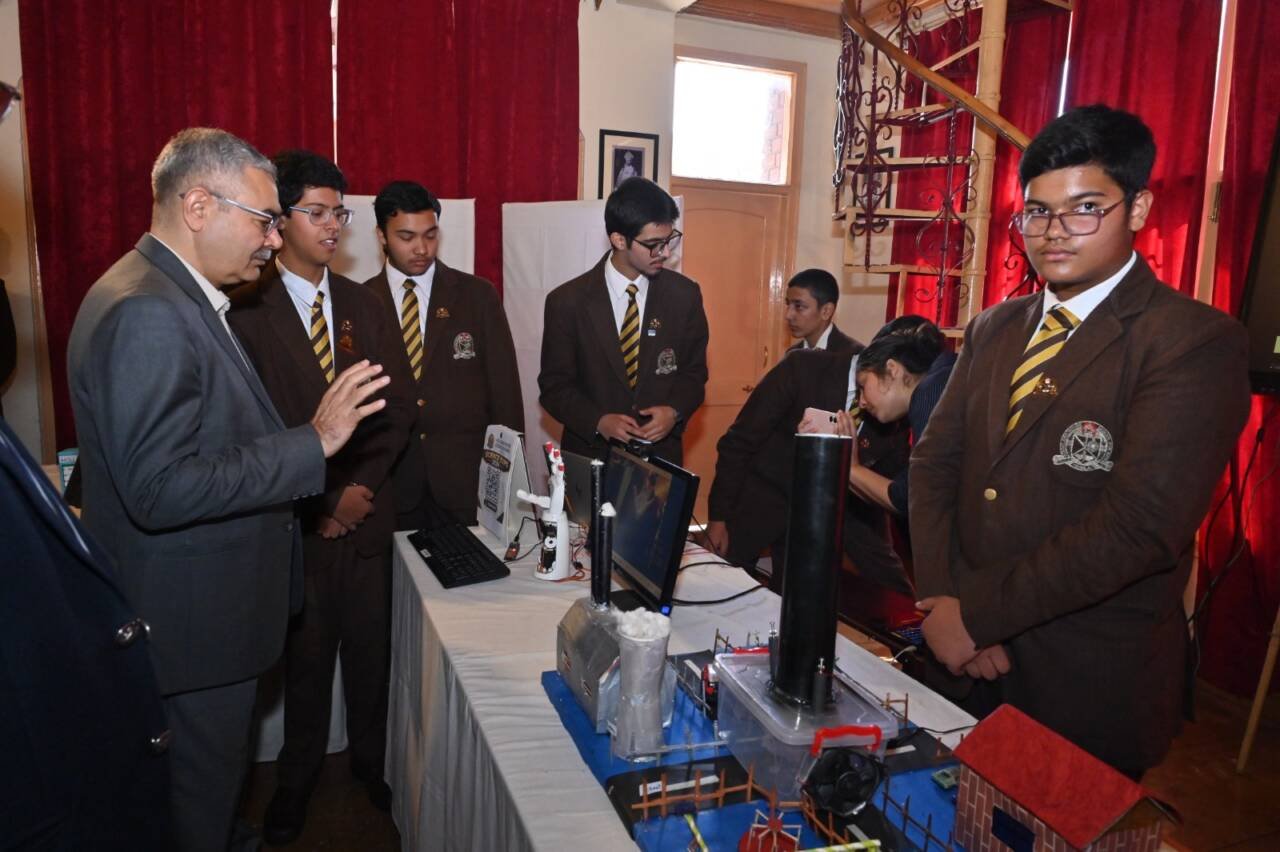
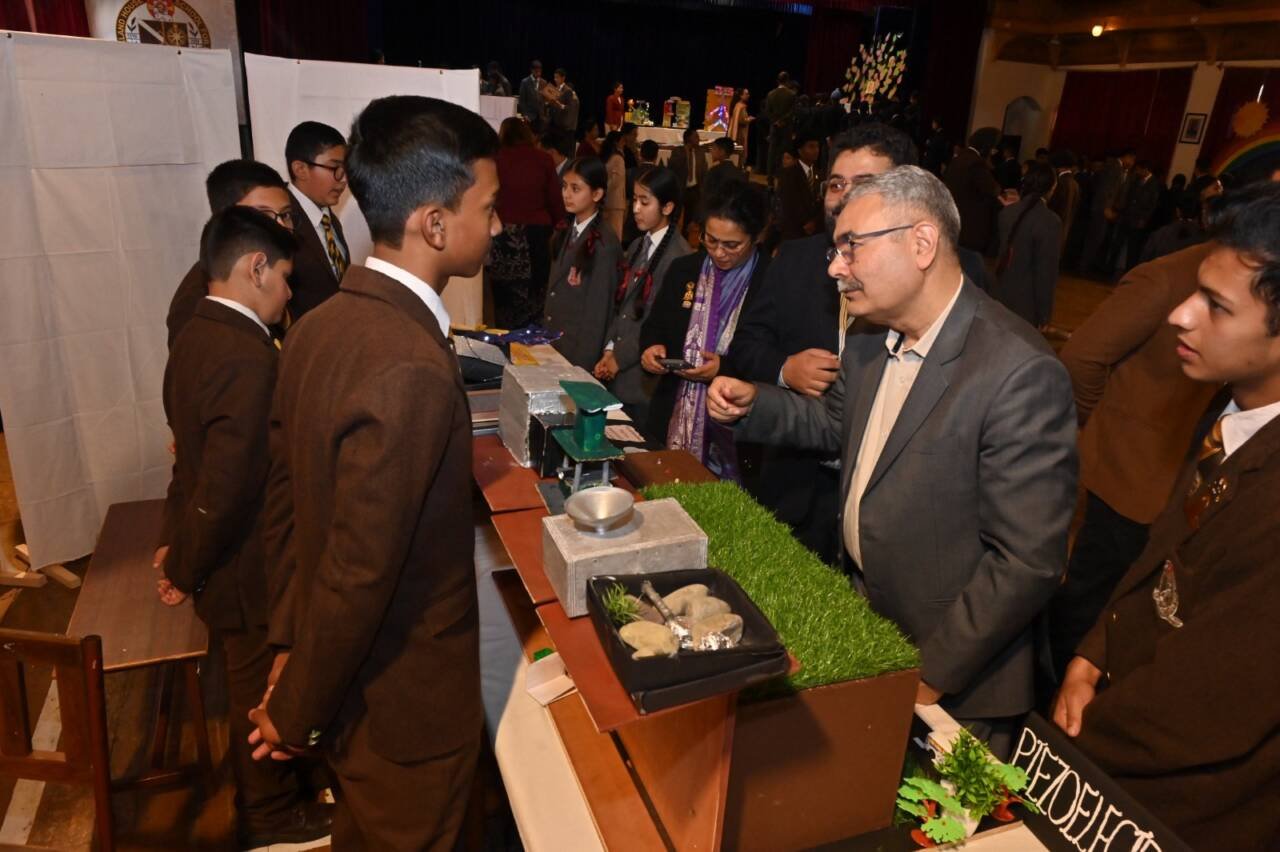
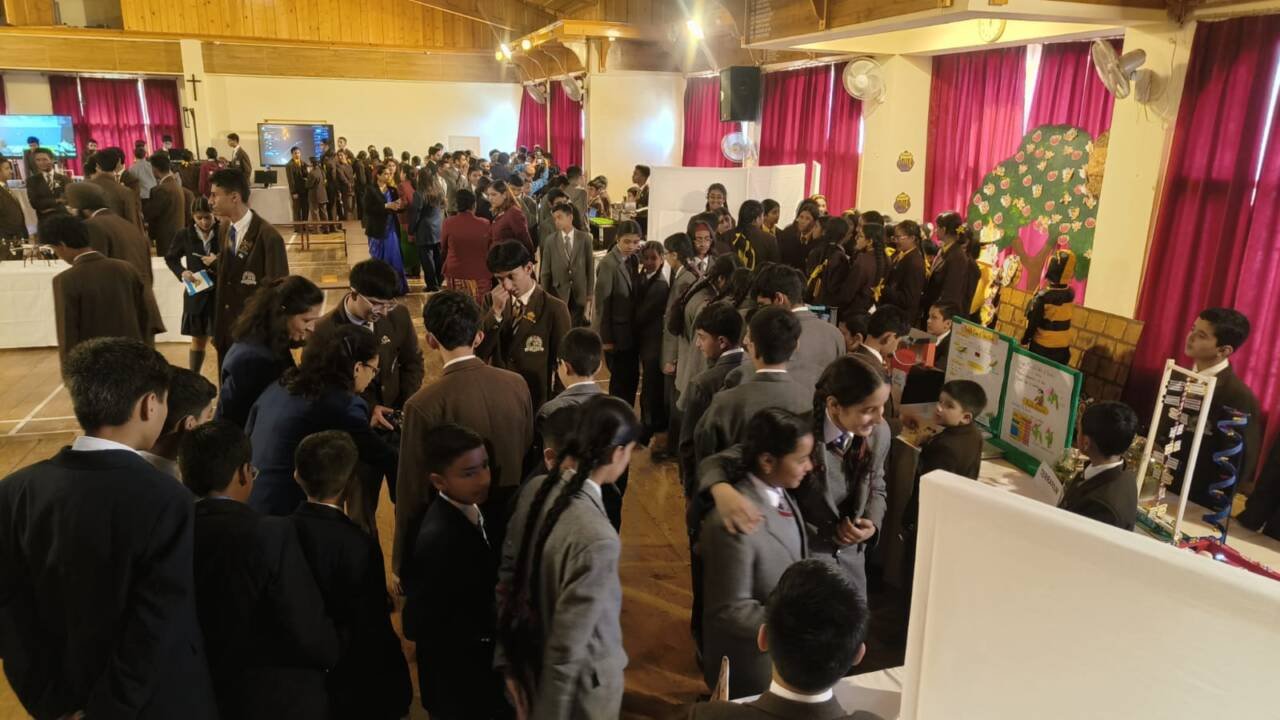
 Auckland House School Boys (AHSB) hosted its Annual Science Expo, showcasing how innovative teaching can transform classroom concepts into engaging, hands-on learning experiences. The exhibition highlighted students’ curiosity, creativity and technical skills, reinforcing the value of learning through exploration and experimentation. Rajendra Kumar Sharma, Vice-Chancellor of Jaypee University of Information Technology (JUIT), Solan, was the chief guest.

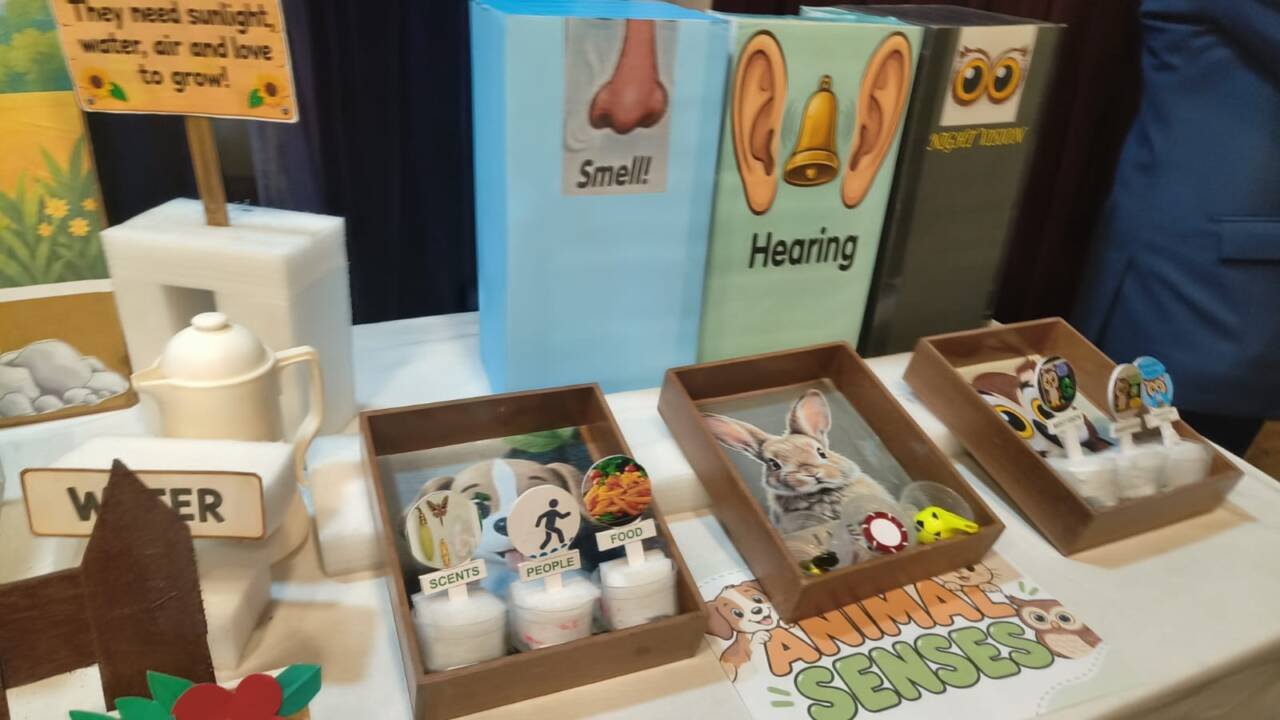
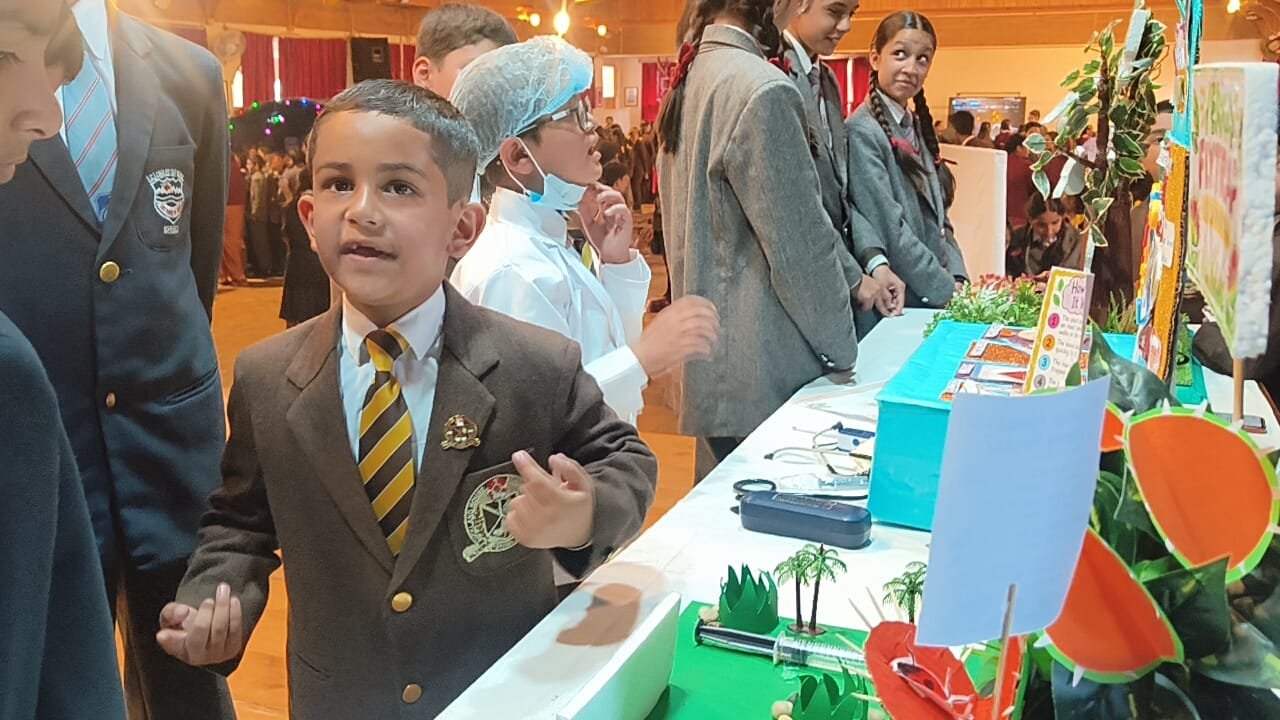
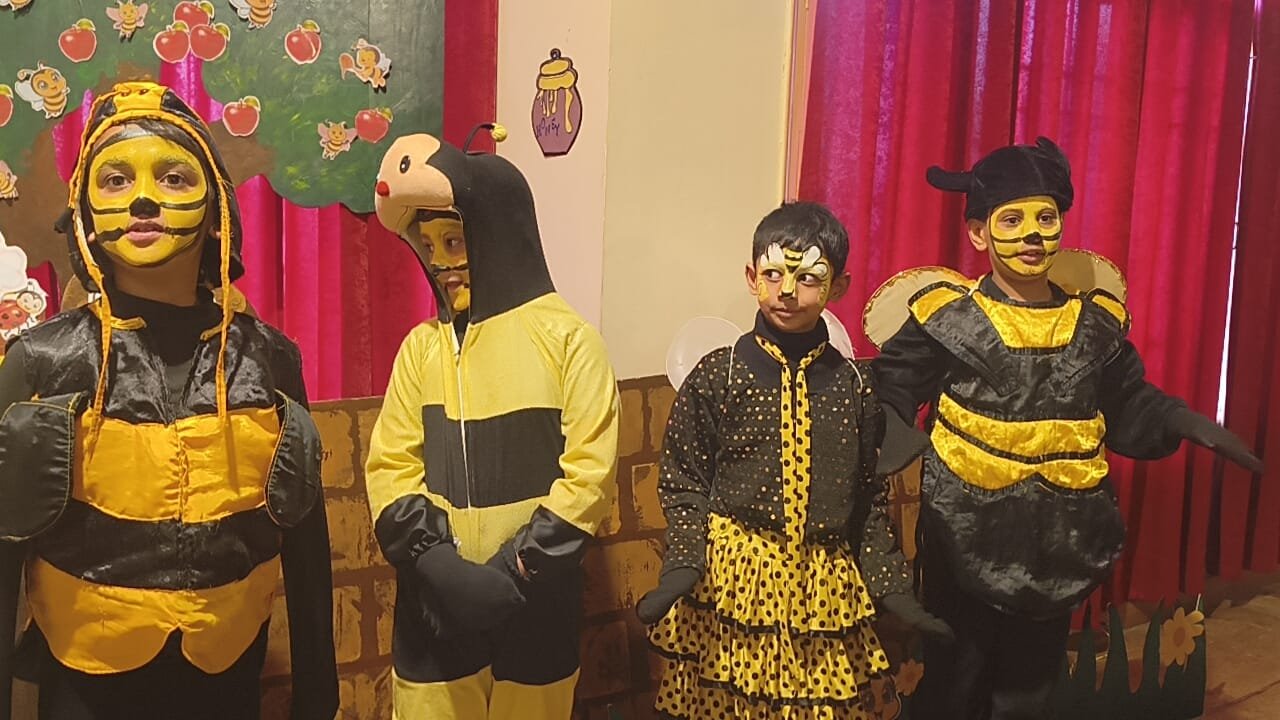
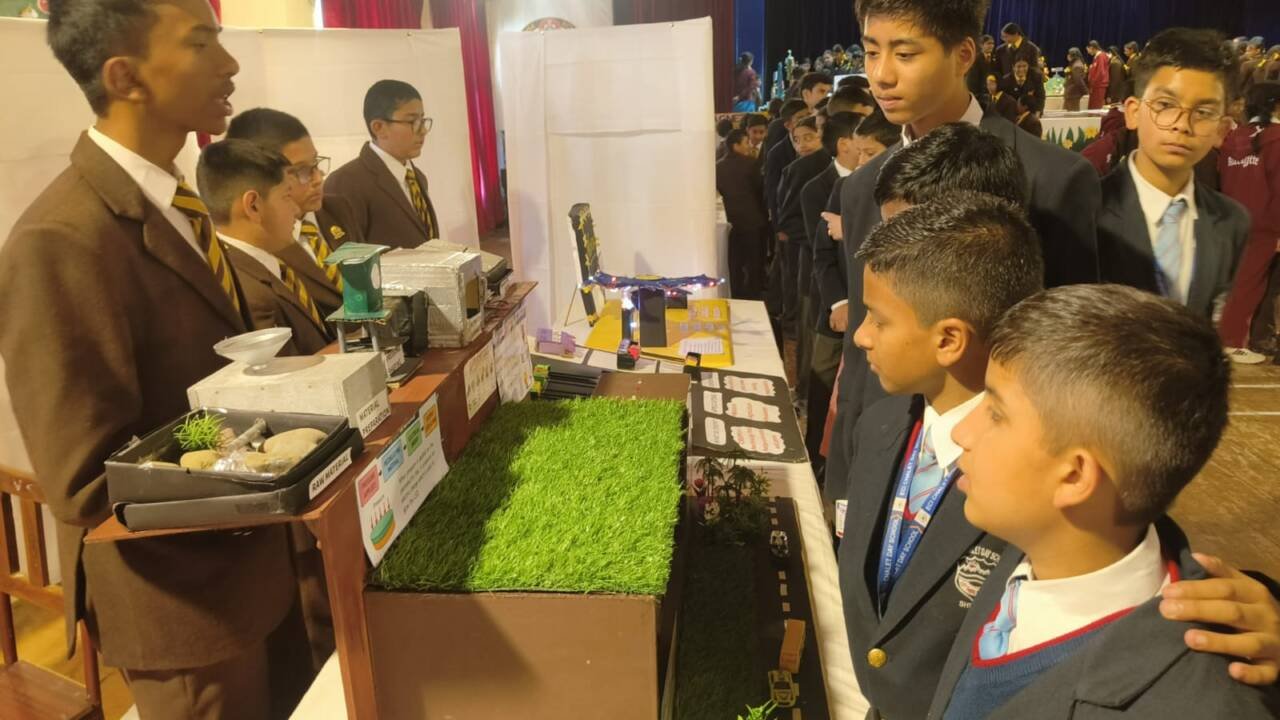
The diversity of exhibits added a special charm to the event, with projects ranging from simple, relatable concepts to advanced technological innovations. The bee hive and the doctor’s corner stood out for their simple yet effective explanations, demonstrating how everyday concepts can be presented in an engaging and accessible manner for young learners.
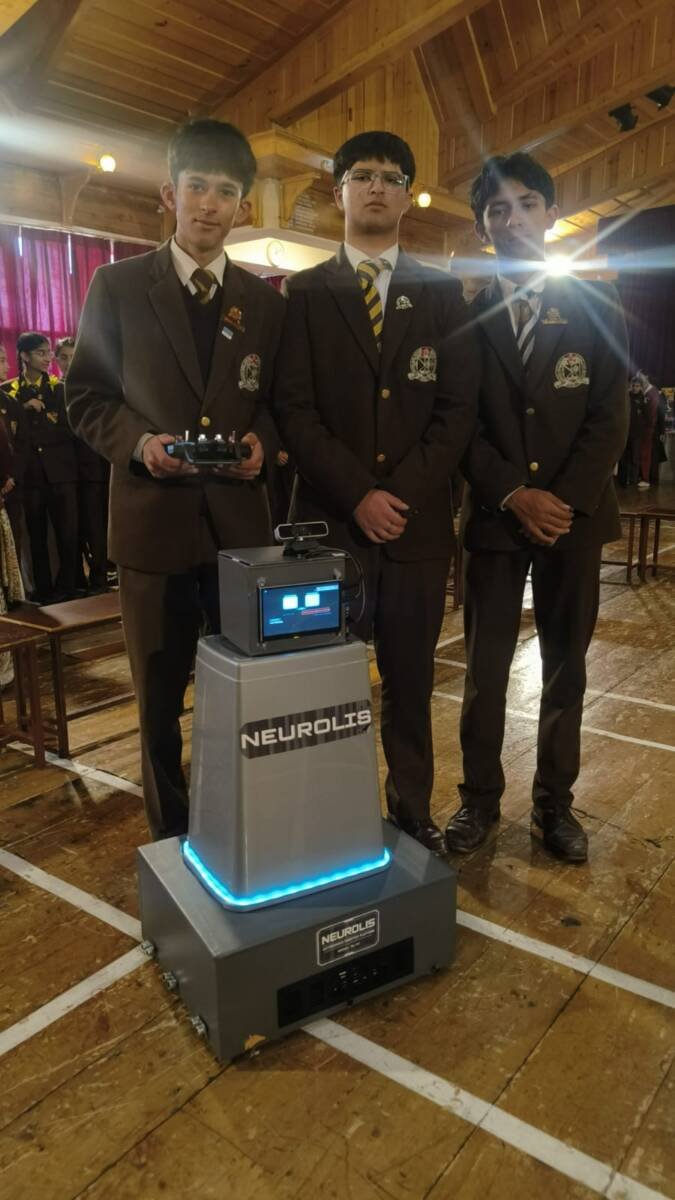
Among the notable exhibits was ‘Neurolis’, an AI robot model created by Shivam Verma and Swapnil J. Chauhan. The project reflected the students’ enthusiasm for exploring science and technology, drawing on information available online to understand and recreate complex concepts. The precision and functionality of the models reflected the hard work, patience and dedication invested in turning ideas into working exhibits. CLICK FOR ALL VIDEOS
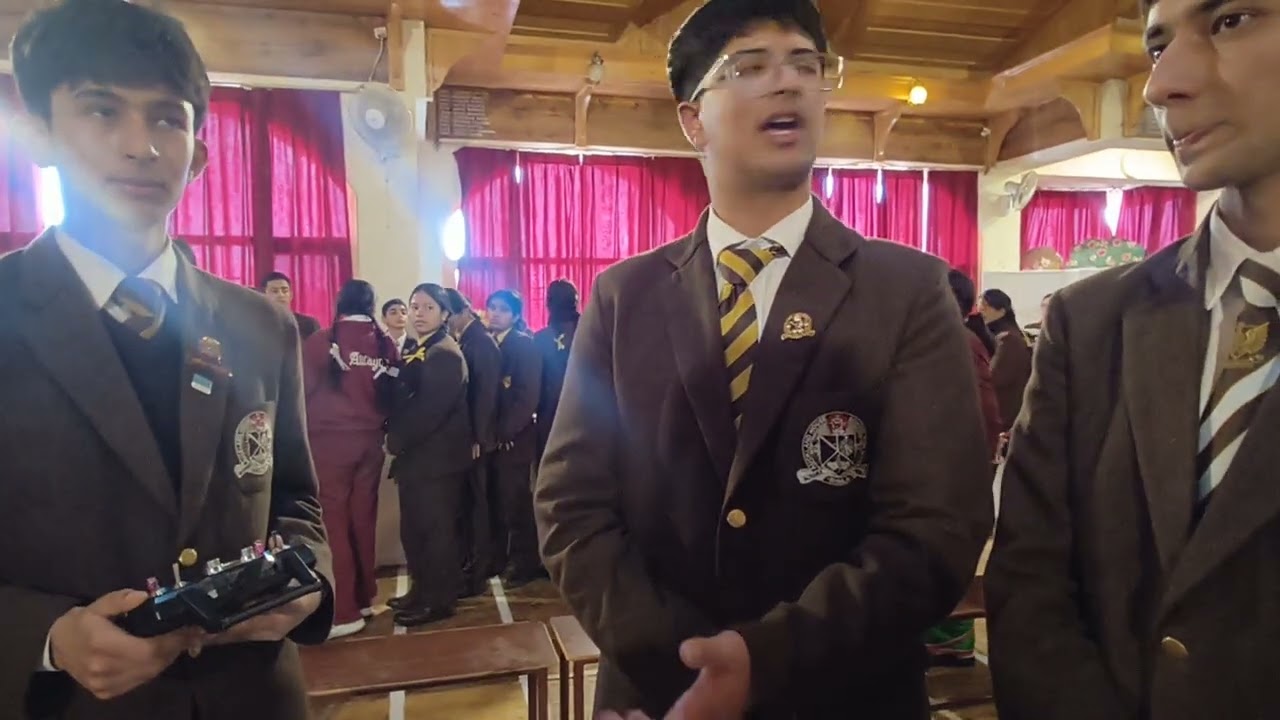
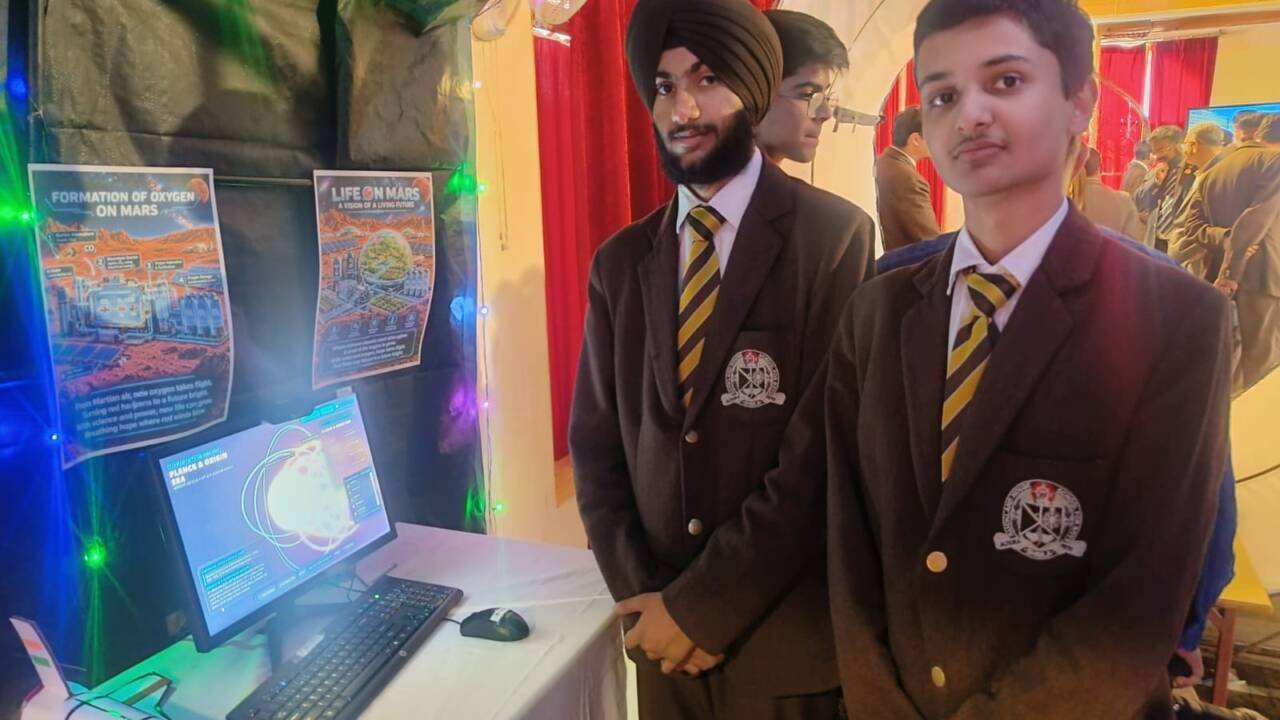
The Expo featured an impressive range of projects, including drone assembly, a robotic hand, an interactive drone arena, a vortex tunnel, cosmic scales and a model demonstrating the bending of space-time using a flexible sheet. Students also explored intriguing subjects such as warp-space concepts, dark matter, dark energy, exoplanets and the possibilities of human life beyond Earth.

Emerging technologies and sustainability were also prominent, with projects on artificial intelligence, autonomous swarming systems, quantum computing, nanotechnology in medicine, piezoelectric energy harvesting and hydroponics. An AI-based early landslide warning system demonstrated the practical application of technology in addressing real-world challenges, particularly environmental risks relevant to the Himalayan region. Projects on gene editing and gene ethics further introduced students to the possibilities and ethical considerations surrounding scientific advancement.

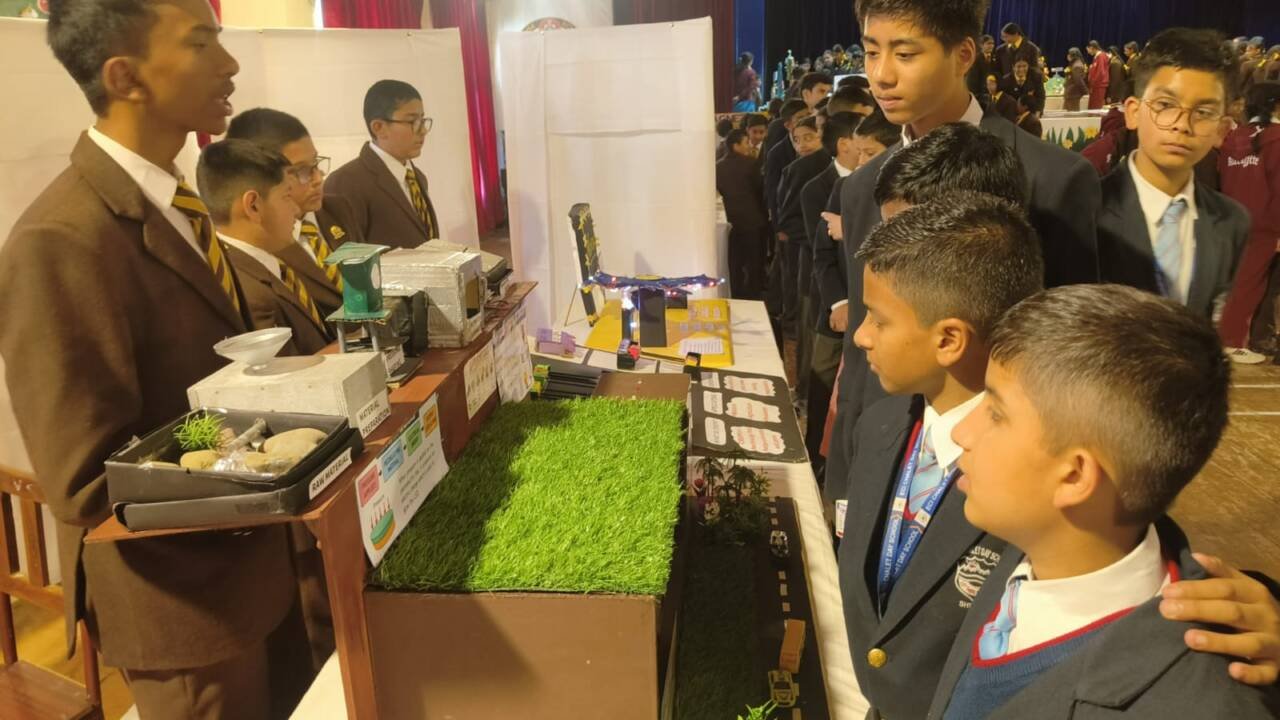
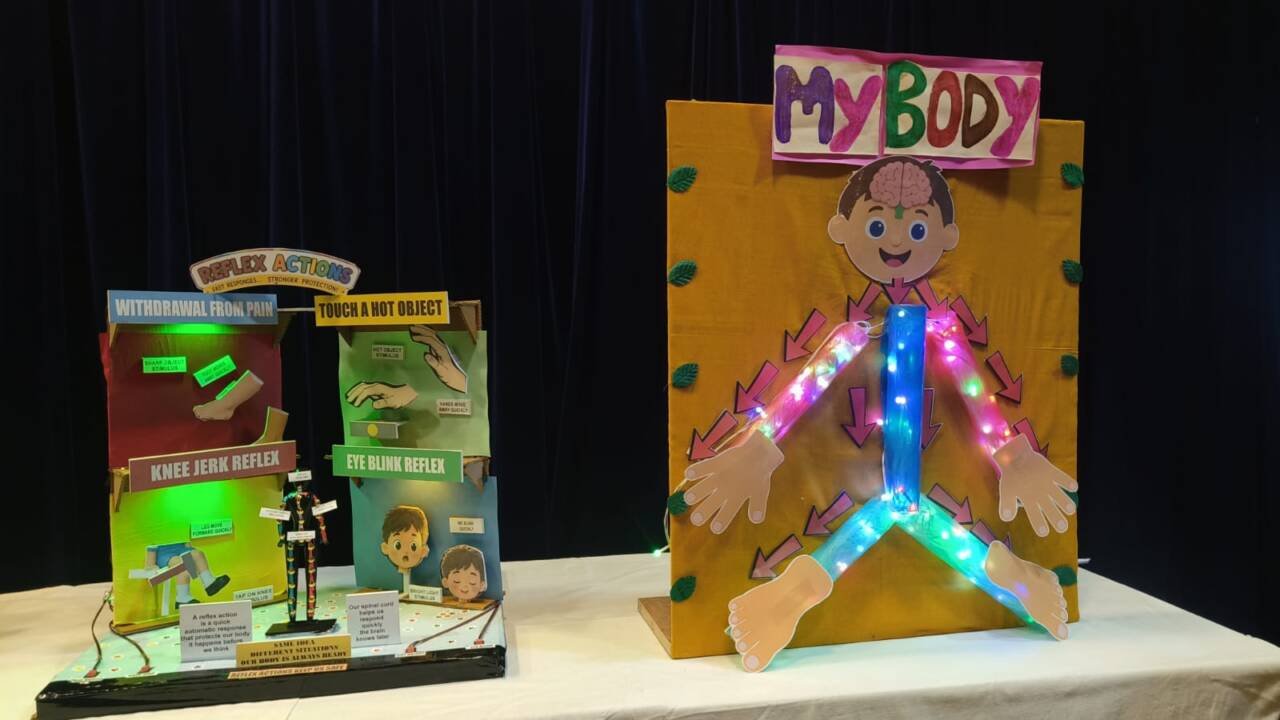
While younger students presented interactive models explaining light, motion, magnets, the human body and planetary environments, older students explored more advanced concepts involving neural systems, smart machines and engineering. Together, these exhibits reflected a learning environment that encourages scientific curiosity at every stage, allowing students to progress from foundational concepts to more complex investigations.
The real achievement of the Expo lay in demonstrating that teaching goes beyond textbooks and theoretical understanding. When children are encouraged to build models, test ideas and demonstrate scientific principles through practical application, learning becomes an experience of discovery. Concepts that might otherwise remain abstract become tangible, making education more enjoyable, meaningful and memorable.
The exhibition reflected the school’s emphasis on innovative teaching approaches that nurture independent thinking, creativity and problem-solving. By providing students with opportunities to experiment, research and develop working models, AHSB highlighted the importance of fostering scientific temper, confidence and a spirit of inquiry alongside academic learning.
The Expo was a celebration of what becomes possible when knowledge meets imagination and students are given the opportunity to put their learning into action. It reinforced a simple yet powerful idea: when children are encouraged to explore, create and experiment, learning comes alive.
AHSB Celebrates Student Brilliance and Character Building in Annual Extravaganza
Sponsored
Nurturing Creativity – Keekli Charitable Trust, Shimla