
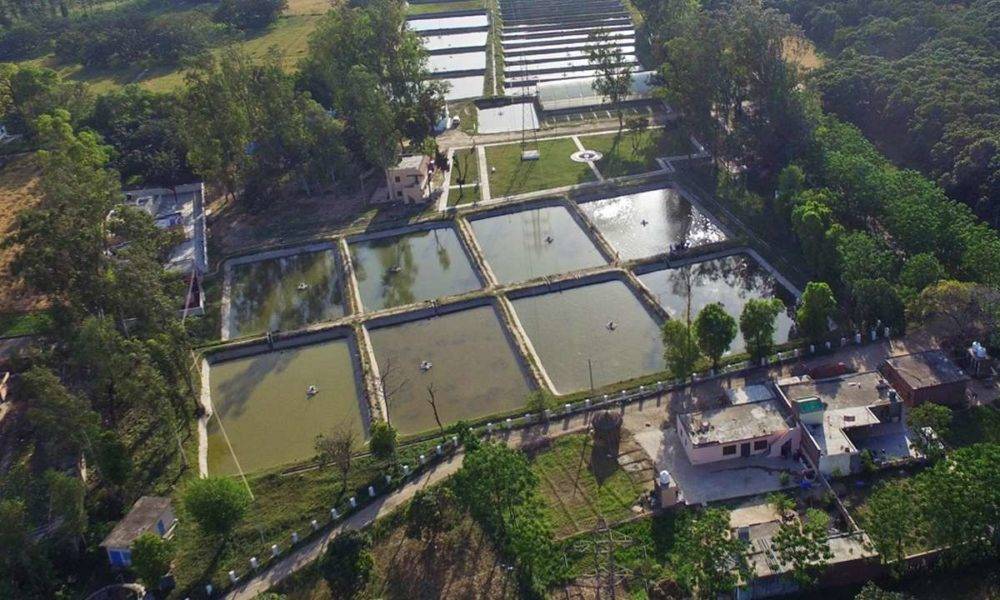
 Long known as the country’s ‘fruit bowl’, Himachal Pradesh is now steadily emerging as a hub of ‘blue prosperity’ with the State Government giving a renewed push to fisheries and aquaculture under its flagship vision of Vyavastha Parivartan. The transformation is being driven primarily through the successful implementation of the Mukhya Mantri Carp Matsya Palan Yojana (MMCMPY), which is reshaping rural livelihoods and creating self-employment opportunities within villages.
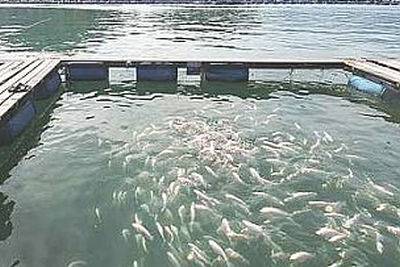 After assuming office, the present State Government recognized that rural youth were seeking more than conventional employment and aspired for dignity, innovation and self-reliance closer to home. This realization led to a comprehensive overhaul of the fisheries sector, replacing stagnant policies with a dynamic, incentive-driven approach. Launched in 2024–25, MMCMPY marked a decisive shift by positioning fisheries as a key driver of rural economic growth rather than a supplementary activity.
The impact of this systemic reform is already evident. Fish production in the state has increased from 17,000 metric tonnes in 2022–23 to a projected 19,000 metric tonnes this year. Significant growth has been recorded in major reservoirs such as Gobind Sagar, Pong Dam and Kol Dam, reflecting the success of modern management practices combined with community participation. These developments have opened up employment avenues near villages, reducing migration and strengthening local economies.
The scheme is currently being implemented across eight districts—Bilaspur, Mandi, Una, Hamirpur, Kangra, Sirmaur and Chamba—ensuring wide geographical coverage and balanced regional development in the fisheries sector. Under the scheme, the unit cost for carp farming has been fixed at Rs. 12.40 lakh per hectare, with the State Government providing an unprecedented subsidy of 80 percent. This substantial support significantly reduces the financial burden on youth and small farmers, enabling them to focus on productivity rather than debt. The scheme is inclusive, covering both large one-hectare ponds and smaller 500 square metre units for marginal farmers.
To strengthen the aquaculture ecosystem, the government is also establishing state-of-the-art brood banks. A Carp Brood Bank is being set up at Nalagarh and a Trout Brood Bank at Patlikuhal with a combined investment of Rs. 10 crore. These facilities will ensure the availability of high-quality fish seed within the state, ending dependence on external sources and promoting sustainable aquaculture practices.
The momentum continues in the financial year 2025–26, with new fish ponds covering an area of five hectares currently under construction. For this, an outlay of Rs. 50 lakh has been earmarked. The unit cost remains Rs. 12.40 lakh per hectare, inclusive of first-year inputs such as seed, feed and other essential materials.
Chief Minister Thakur Sukhvinder Singh Sukhu said that the government’s vision is to build an ecosystem where rural livelihoods are synonymous with prosperity and innovation. He emphasized that through MMCMPY, the state is not merely increasing fish production but nurturing hope, self-employment and a resilient future for more than 20,000 families. This, he said, truly reflects the spirit of Vyavastha Parivartan—changing the system to change lives.


Nurturing Creativity – Keekli Charitable Trust, Shimla