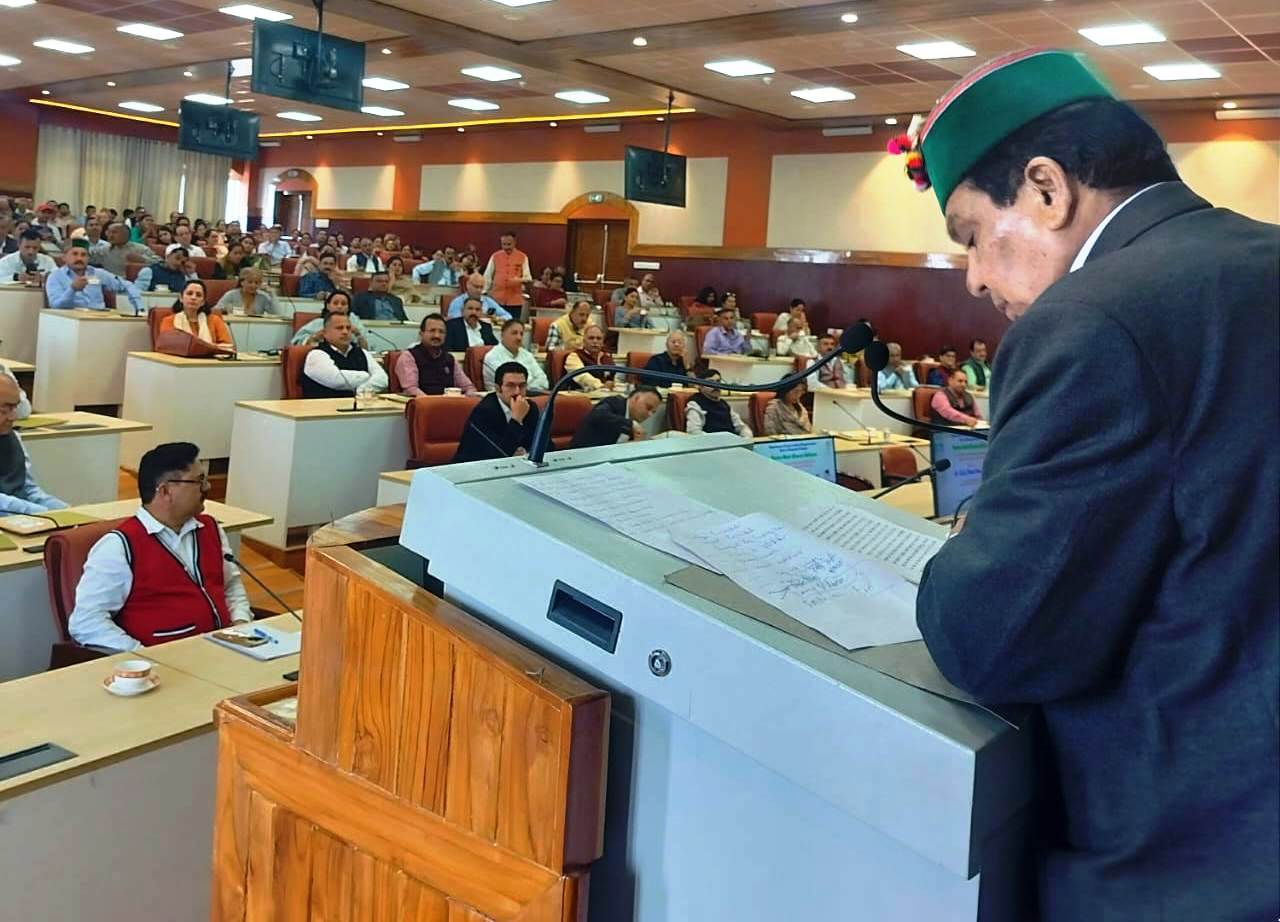
 Health, Social Justice, and Empowerment Minister Dr. (Col.) Dhani Ram Shandil presided over a comprehensive workshop targeting substance abuse and illicit trafficking. Stressing the profound physical and mental toll of addiction, Dr. Shandil reaffirmed the state’s zero-tolerance policy, backed by strict Vidhan Sabha legislation featuring severe penalties—including life imprisonment, the death penalty, hefty fines, and property seizure.
To turn the campaign against drugs like chitta into a mass movement, the government launched the Anti-Chitta Walkathon from Shimla’s Ridge on November 15, 2025, which has since expanded to Dharamshala, Hamirpur, and Bilaspur. Under the National Drug De-Addiction Campaign, awareness initiatives reached roughly 18.5 lakh residents last year across 17,304 educational institutions. Furthermore, Himachal Pradesh stands as the first state to categorize local panchayats based on the identified presence of drug users and traffickers.
Enforcement under the PIT-NDPS Act has yielded significant results, leading to the registration of 5,642 cases, the arrest of 8,250 offenders, and the confiscation of assets worth over ₹63 crore. Parallelly, the state is expanding healthcare and recovery infrastructure. Alongside four male rehabilitation facilities, the Red Cross operates a women’s facility in Kullu, complemented by the newly launched ‘Nav-Jeevan’ Women’s De-Addiction and Rehabilitation Centre in Mashobra—the state’s first dedicated center for women. Construction is also underway for a 100-bed modern rehabilitation facility at Kotla Barog in Sirmaur district.
Dr. Shandil urged society to view individuals struggling with addiction as patients needing medical care and guidance rather than social stigma. Emphasizing the cultural identity of Himachal Pradesh as ‘Dev Bhoomi,’ he called on parents, educators, and community members to work alongside the government to instill strong core values, cultivate healthy habits, and guide the youth toward constructive roles in societal growth.
Sponsored

Nurturing Creativity – Keekli Charitable Trust, Shimla