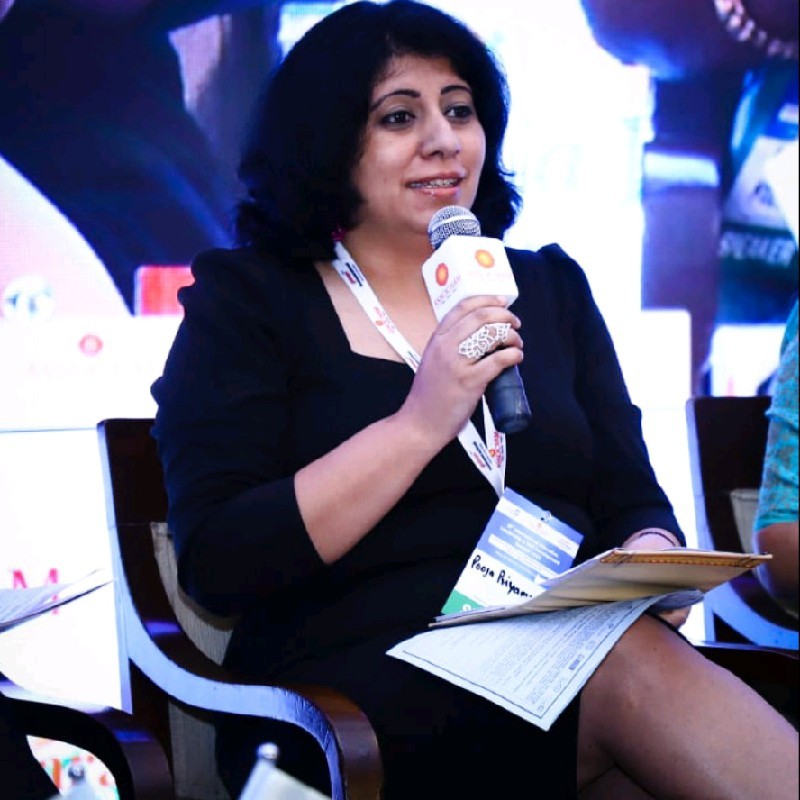
In an exclusive interview, Team Keekli speaks with Pooja Priyamvada from Delhi—author, translator and DEI consultant—who seamlessly blends literature, leadership and media. Discover the dynamic changemaker behind multiple platforms, shaping conversations across academia, AI and storytelling.
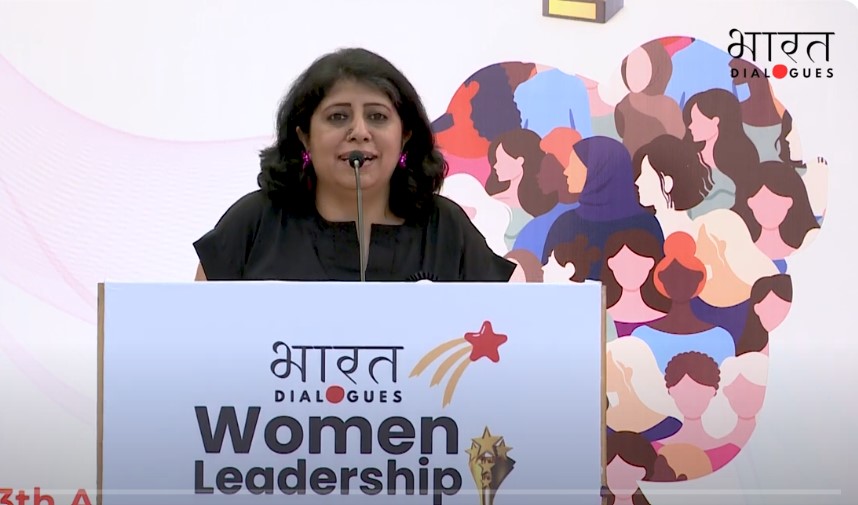 Pooja is an author, columnist, professional translator, DEI content and language consultant. She is the Managing Director of Semicolons Consulting and co-founder of the impact platform Bharat Dialogues. She also serves as Director – Academics and Collaborations at the International Institute of Mass Media (IIMM) Delhi. Since 2021, she has been a facilitator of the online course “Leadership & Management in Health” offered by University of Washington. She is also a Professor of Practice for a media course at TERI School of Advanced Studies and works as an Artificial Intelligence Trainer as part of the ADiRA initiative by Google DataLeads. Additionally, she is the National President of WICCI National Media Council, leads a Lean IN Circle for Women leaders Delhi NCR and is the Festival Director for Ghazipur Literature Festival.
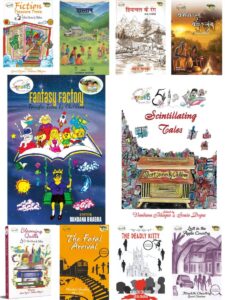
Her translation work includes Abhi Baaki Hai Safar (Hindi Translation of Priyanka Chopra Jonas’ Memoir Unfinished), Coolie Lines (English Translation), Manav Kaul’s A Night in the Hills (English Translation), Rooh: A Novel (English Translation) and Joseph Murphy’s The Power of the Subconscious Mind translated as Aapke Avchetan Mann ki Shakti. She has also translated the Caregivers’ Handbook for Down’s Syndrome into English.
Her eBooks, Mental Health: A Primer and Lessons for Life from Death: Papa & I along with her English translations Land of Ghosts: Iceland and JP: From Nayak to Loknayak, are available on Amazon Kindle. She has also translated training material for MHFA India and the Latika Roy Foundation.
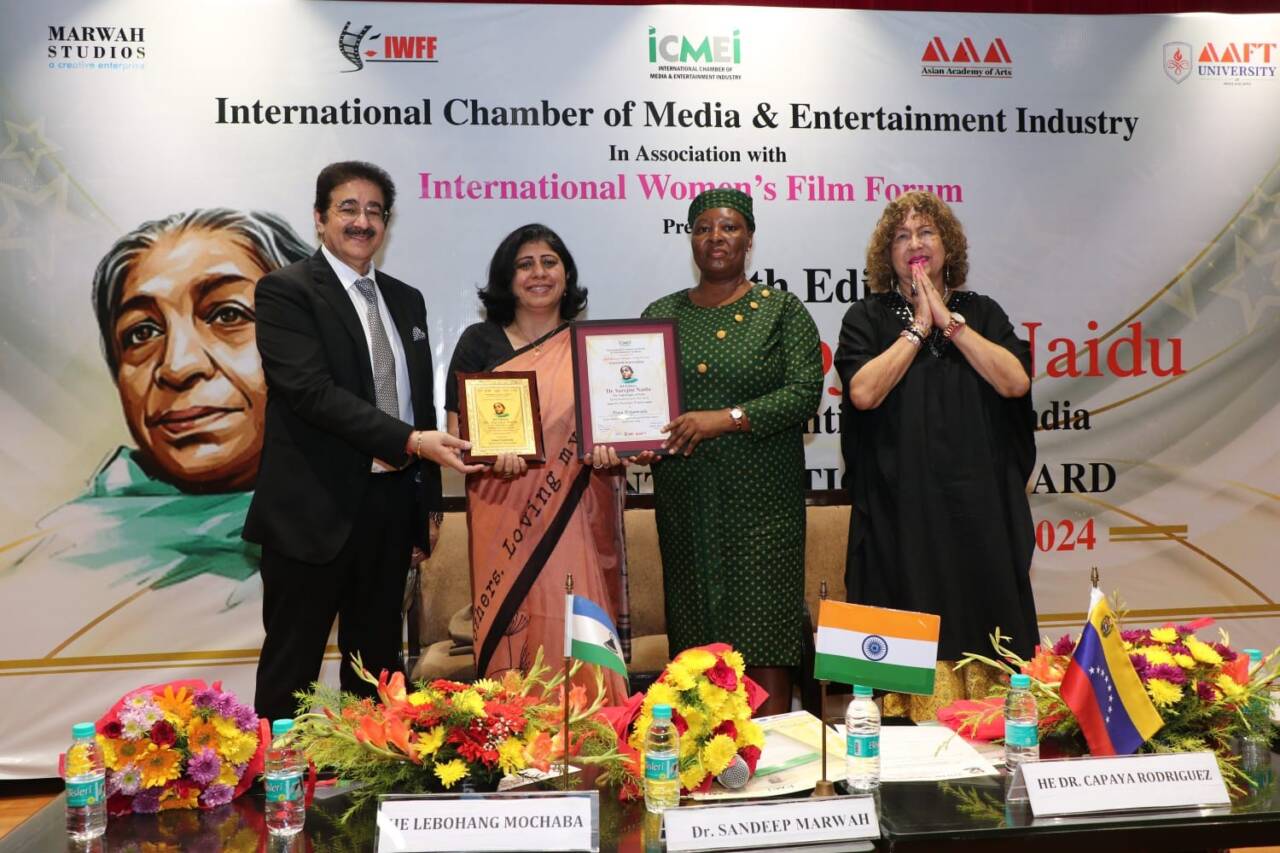 Her accolades include the Director of the Year Award by LSDB London (2025), the Woman of Eminence Award at the International Conference for Women from the Global South at Maharaja Suheldev University, Azamgarh (2025), the ERDA Award of Excellence for Women Empowerment (2024) by the Education Research Development Association in association with Christ University, and the 8th Dr. Sarojini Naidu International Award for Working Women (2024) by the International Chamber of Media & Entertainment Industry and the International Women’s Film Forum.
Keekli: What is one difficult feeling you have that you might one day use to help someone else?
Pooja: Well, I think I have already had that feeling for many years and have done significant work in that direction too to help others. The two difficult feelings/experiences of my life have been High-functioning Depression and Fibromyalgia. Both led and fuelled my work in Mental Health and Disabilities Awareness.
Keekli: You write about mental health so openly; most of the time people are scared to talk about it, or even discuss with family members or friends, especially with the overuse of the word ‘FINE’ as reply. How can you help people break this barrier?
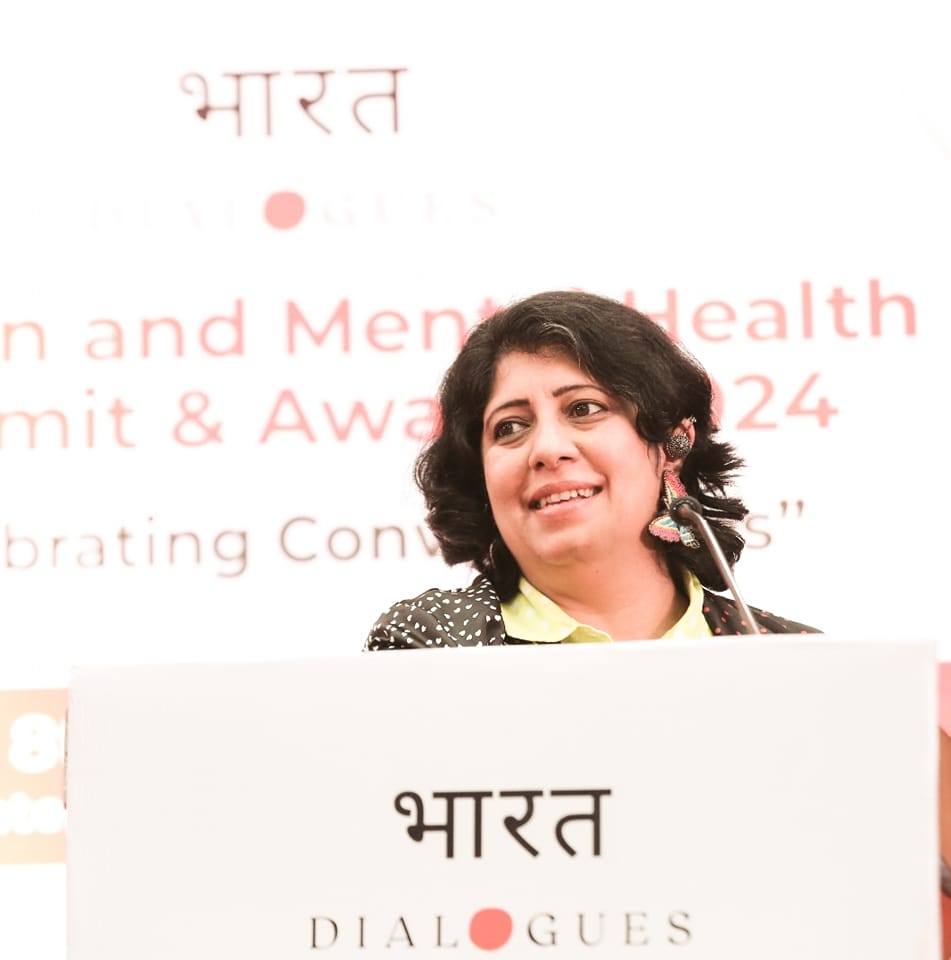 Pooja: I think the more people talk about it and the more the feeling grows that you are not alone, it becomes easier to talk. However, the huge lack of awareness and sensitivity in our society often scares people to suffer alone for decades or not even seek professional help. Societal shame associated with mental illness needs to go and people/survivors and caregivers need to find the courage to say, “it is okay to be not okay!”
Keekli: What are three different roles you play in your own life, and how do they make you stronger?
Pooja: I am an educator and that has always nurtured and promoted the eternal co-learner in me. Constant learning is my biggest strength.
I am a women leader and that has not just let me kick hard at so many glass ceilings but also lead with empathy and create a map for more women to follow, that thought makes me strong.
I am a single parent and caregiver and that keeps the humane part of me alive, the vulnerability there is my strength.
Keekli: If you started a small “kindness and feelings” project in your domain, what would it look like?
 Pooja: It would definitely involve books, films, safe space and sleep. We don’t think of these as luxuries without realising that these are inaccessible for so many people in life. I would want people to have safe peer groups, both my pro bono groups at WICCI Media Council and Lean In for Women Leaders are such spaces.
Keekli: You often write and speak in more than one language; which all, and how could knowing or learning another language help you understand more people and their stories?
Pooja: So, three languages in all Hindi, English and Punjabi. Punjabi, I don’t write well but can read, speak and understand same for Pahadi. Knowing multiple languages expands one’s imagination, reference to context and also opens a window about cultures. It is a privilege to understand body language too which I also do as a mental health counsellor, it guides me help people better.
Keekli: Much of your work is about listening to people’s pain with empathy; when was the last time you listened carefully to a friend or classmate, and how did it change the situation?
Pooja: Just yesterday, I listened to a friend speak about her health issues and a few other pressing issues in her life from Canada. I think listening is a professional skill at least reflective listening is, just listening isn’t enough. My listening might not have directly changed her situation but it does give her some immediate solace.
Keekli: Reading, writing and thinking deeply; which of these three do you enjoy most, and how could you practise it a little bit every day?
Pooja: I think reading is important to me because only it can lead to better writing and deeper thinking. I try to practice it every day. Being a compulsive reader, the entire world—from a metro ticket to a hoarding to a book—is reading material to me, with communication coded in it. I love reading.
Keekli: As a single parent, you manage work and home together; with so many responsibilities, what daily habit would you keep to stay calm and organised?
Pooja: Learn to say NO—to a task, to an assignment, some days, even to your child and yourself. It is important to draw hard boundaries for safety. If you don’t do this, it depletes all your emotional resources. So, I let go of many things that I don’t deem necessary or crucial or those that can be pushed for later.
Keekli: You turn real‑life experiences into articles, poems and talks; if you had to write one page about a big moment in your life, which moment would you choose and why?
Pooja: This is a difficult one, I think when I first saw my name “Pooja Priyamvada” on a book. It is special because the last name is my daughter’s first name. It is official dissent against patriarchal last names that derive either from a father or a husband or for many from mother. It is special because I believe legacy is not linear, sometimes an offspring can leave you a better person and that is the biggest wealth of all.
Keekli: Your work shows that talking about mental health is brave, not weak; what is one feeling you want to be brave enough to talk about more often, and who would you share it with first?
Pooja: I think we have talked for centuries about grief but still we haven’t talked enough and properly. We should speak about grief, loss, dark moments when we lose all strength to carry on. I would share it with a therapist.
Spark
|
|
|
|
|
|
|
|
#ExclusiveInterview #AuthorSpotlight #Changemaker #WomenLeaders #MentalHealthMatters #Storytelling #BookCommunity #IndianAuthors #LiteratureFestival #DEI #WomenInLeadership #MentalHealthAdvocate #TranslatorLife #DEIConsultant #MediaProfessional #AcademicLeadership #SingleParentStrong #BharatDialogues #WICCI #LeanInCircle

Nurturing Creativity – Keekli Charitable Trust, Shimla